Projects
Projects
Writing Samples
Writing Samples
Info
Info


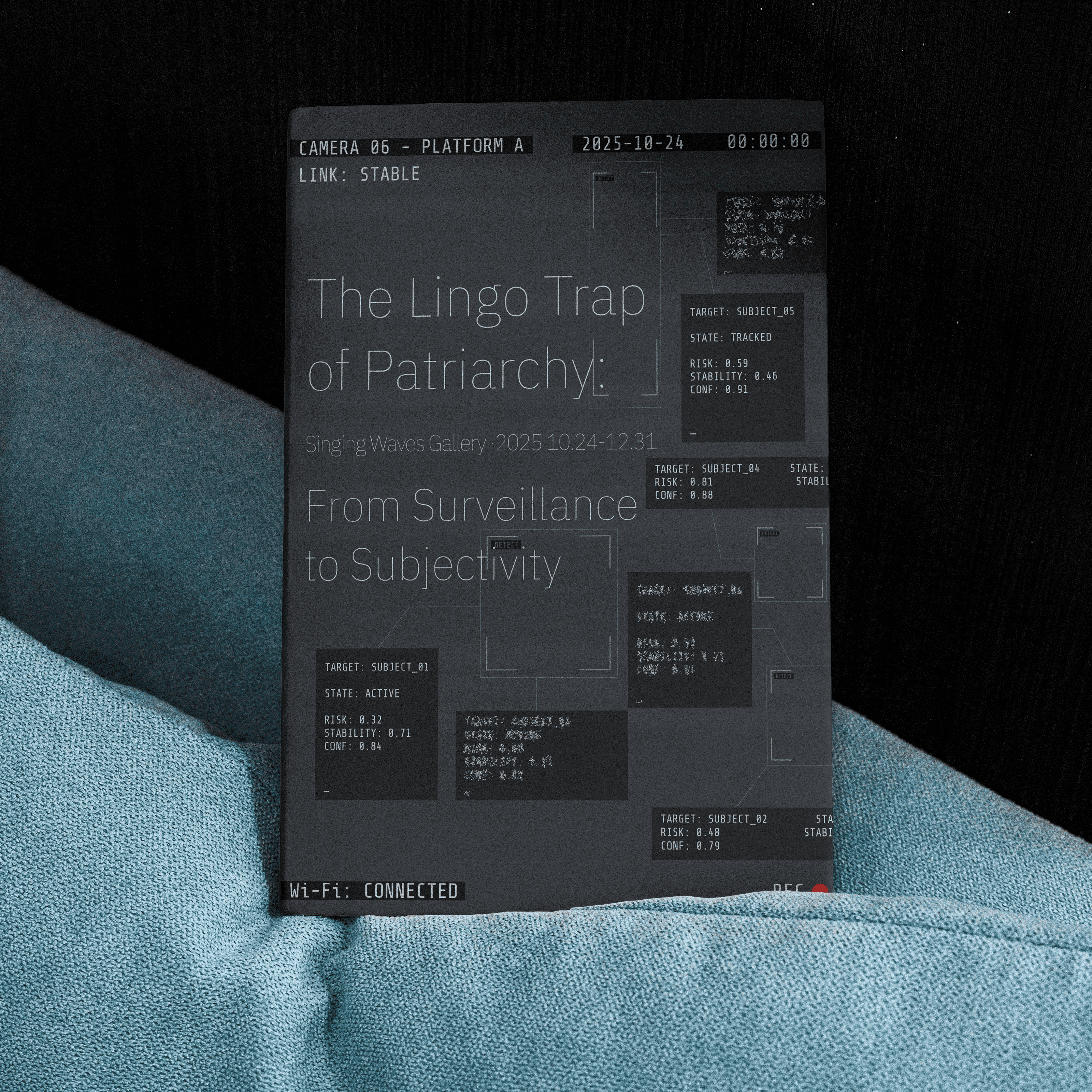
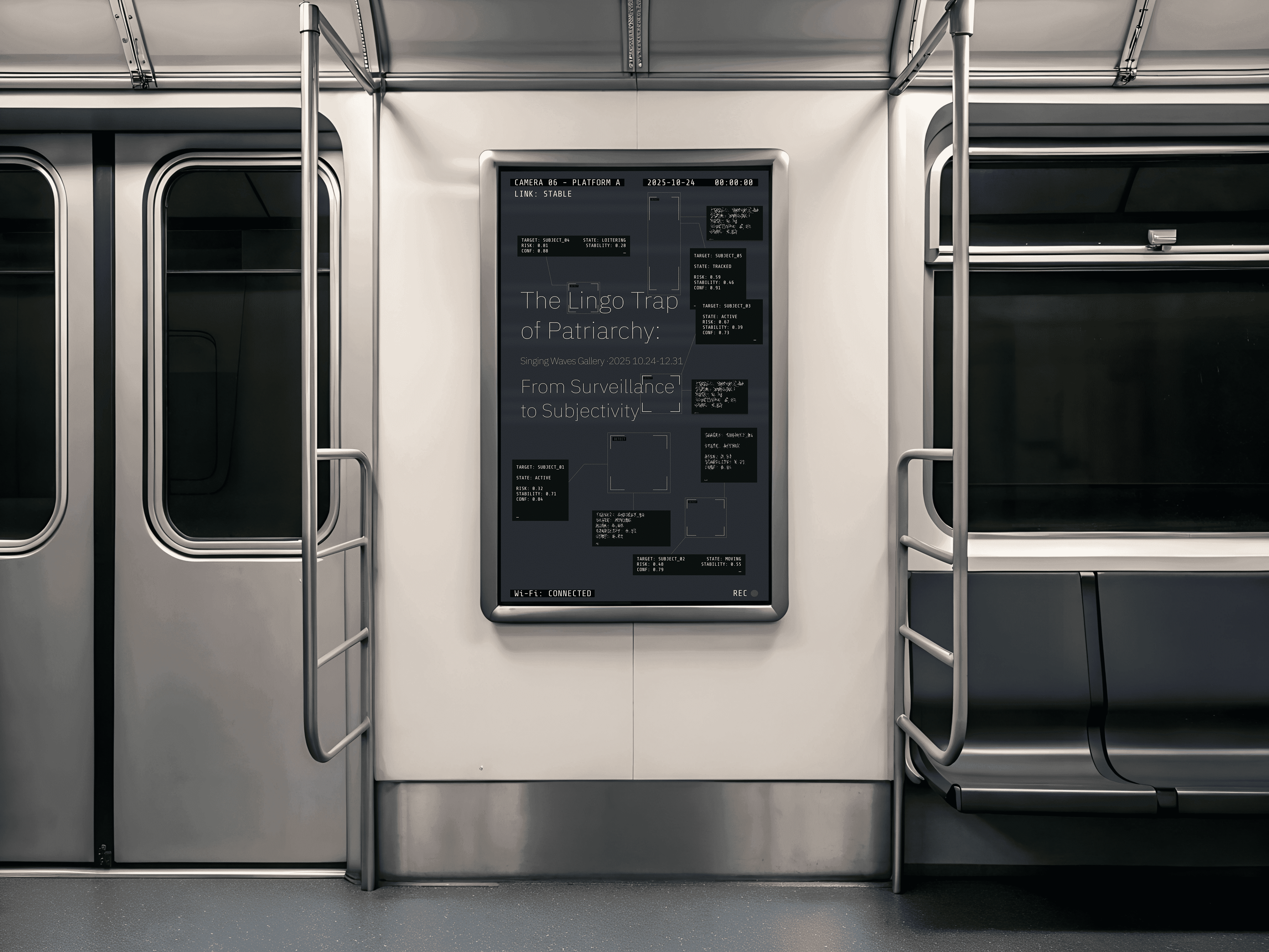
The Lingo Trap of Patriarchy:
From Surveillance to Subjectivity
Date: Oct–Nov 2025
Duration: 9 weeks
Status/Venue: Unrealised Proposal · CityU HK CMC 3F · Singing Waves Gallery
Team/Role: Group (7 Members) · Lead Curator · Visual/Spatial Design Lead
Key Contributions:
· Curatorial Framework (Thesis-Based)
· Content Inventory & Curatorial Editing
· Visual System (KV + Concept Map)
· Spatial Layout & Installation Plan
· Presentation Narrative + Show Flow
· Final Deck Review (Style + Consistency)
Date: Oct–Nov 2025
Duration: 9 weeks
Status/Venue: Unrealised Proposal · CityU HK CMC 3F · Singing Waves Gallery
Team/Role: Group (7 Members) · Lead Curator · Visual/Spatial Design Lead
Key Contributions:
· Curatorial Framework (Thesis-Based)
· Content Inventory & Curatorial Editing
· Visual System (KV + Concept Map)
· Spatial Layout & Installation Plan
· Presentation Narrative + Show Flow
· Final Deck Review (Style + Consistency)
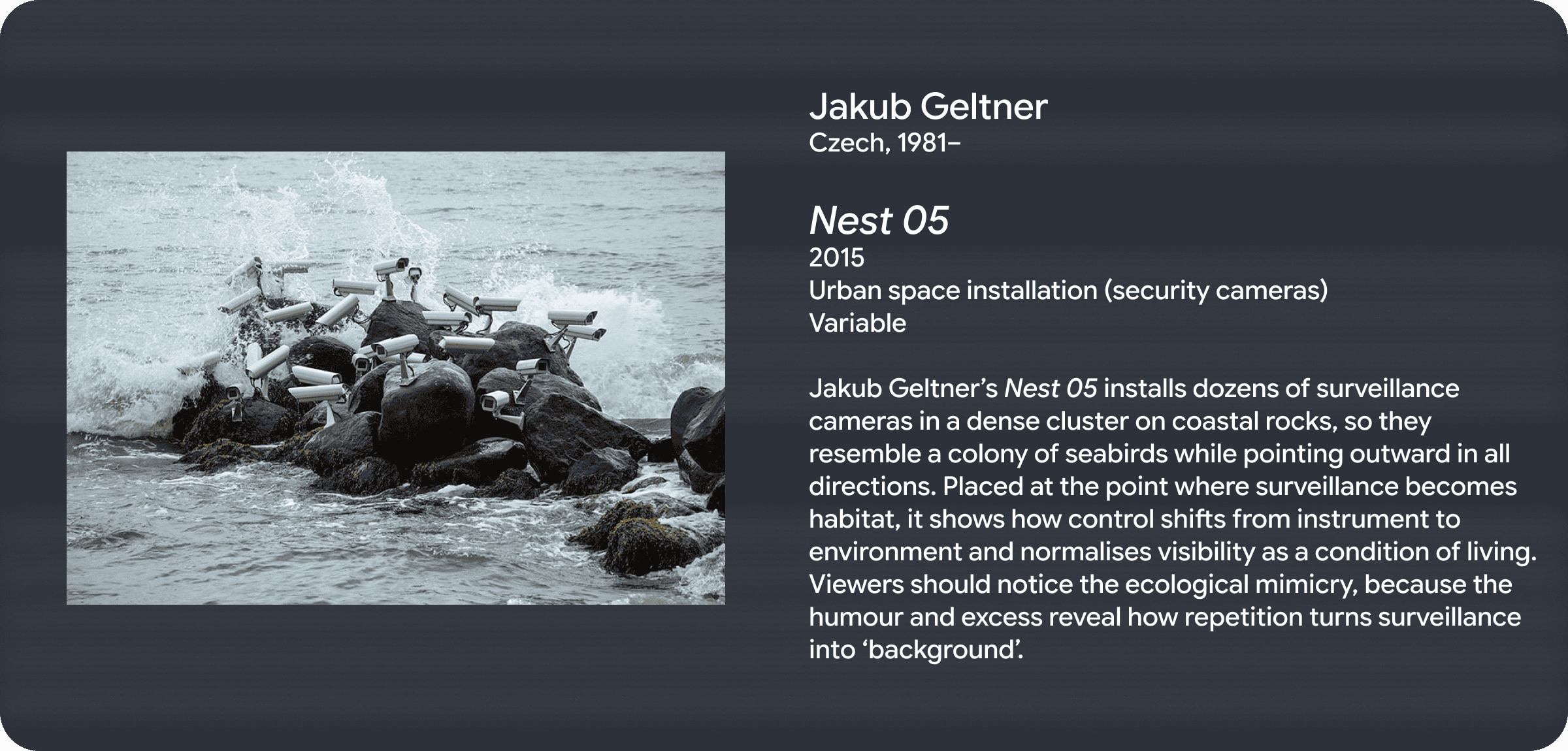
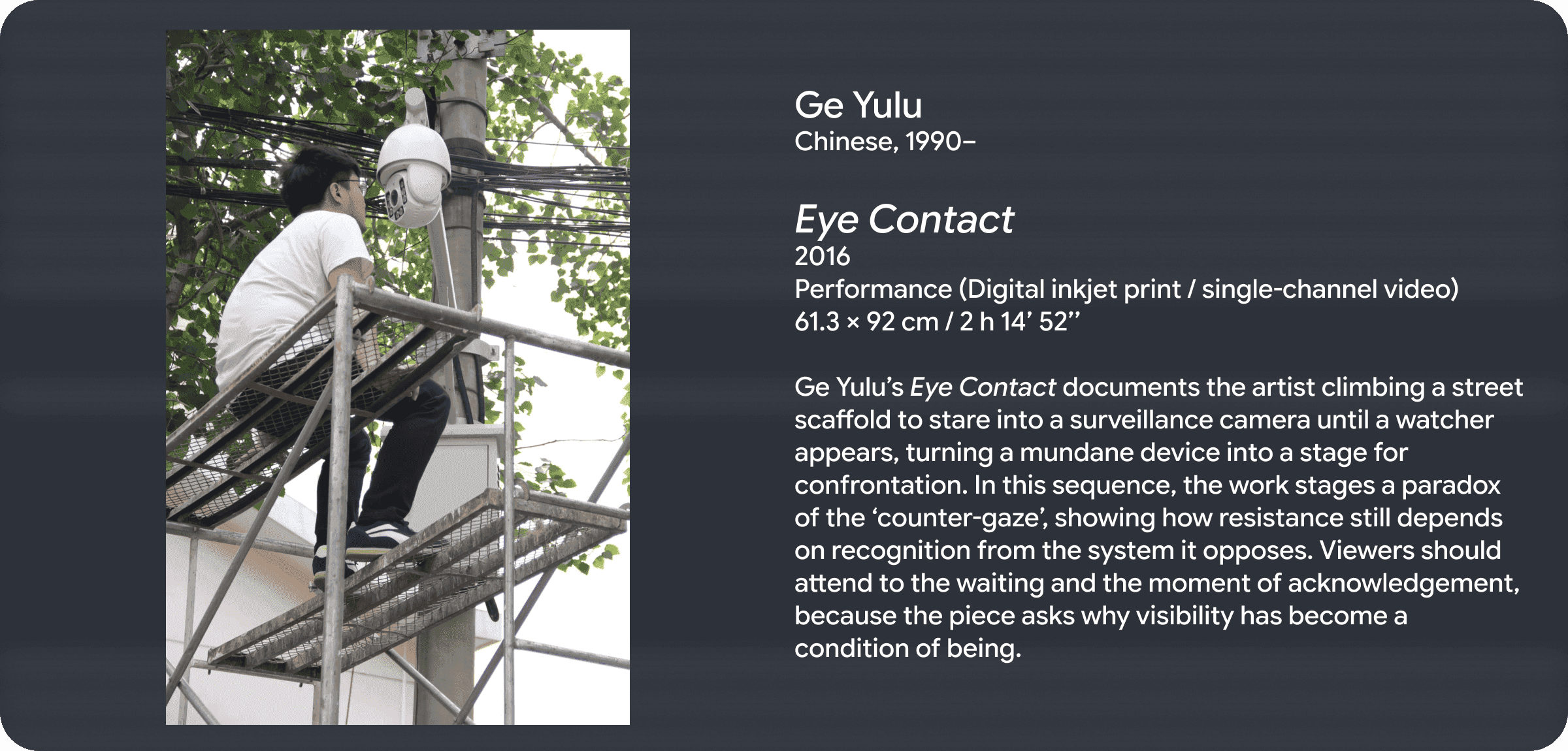
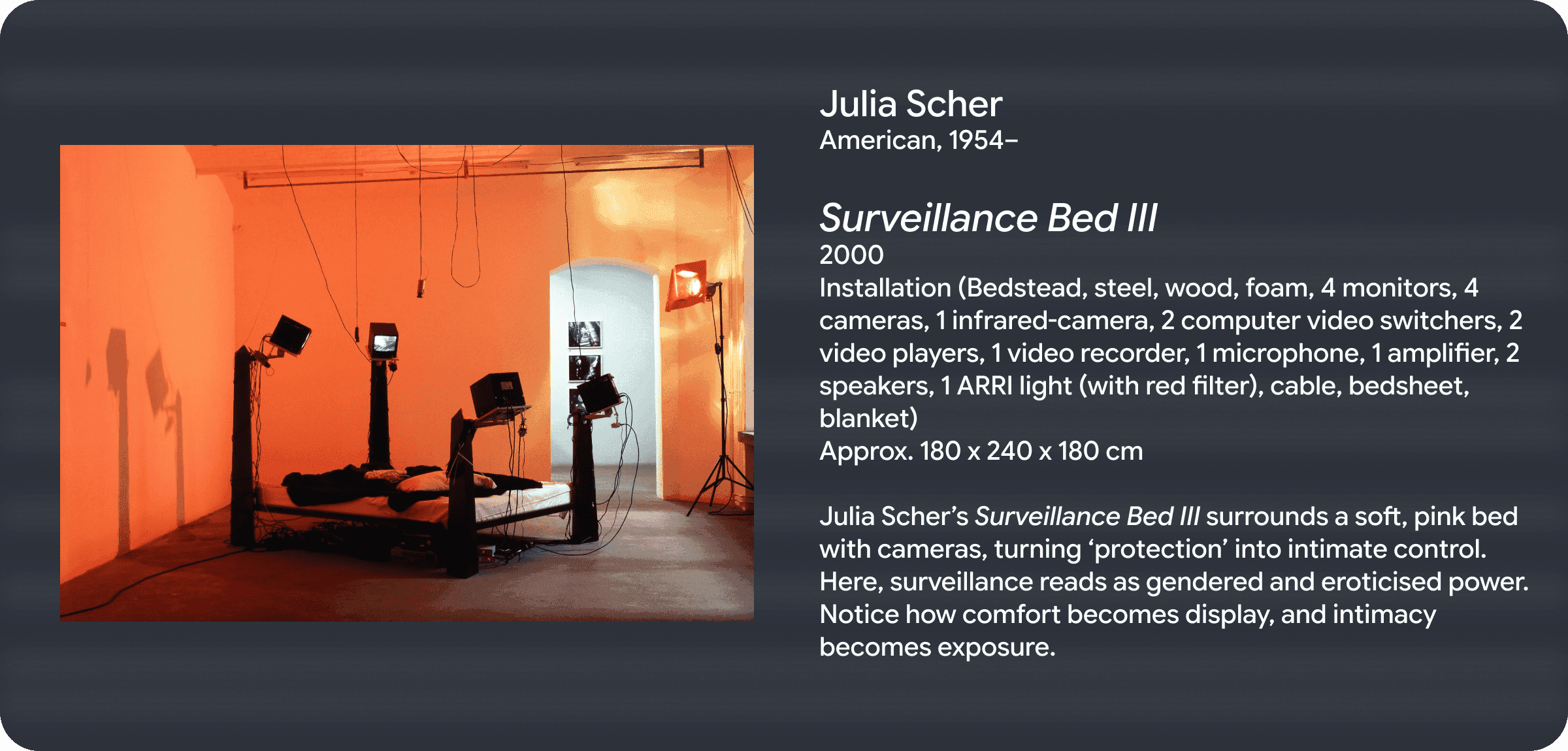
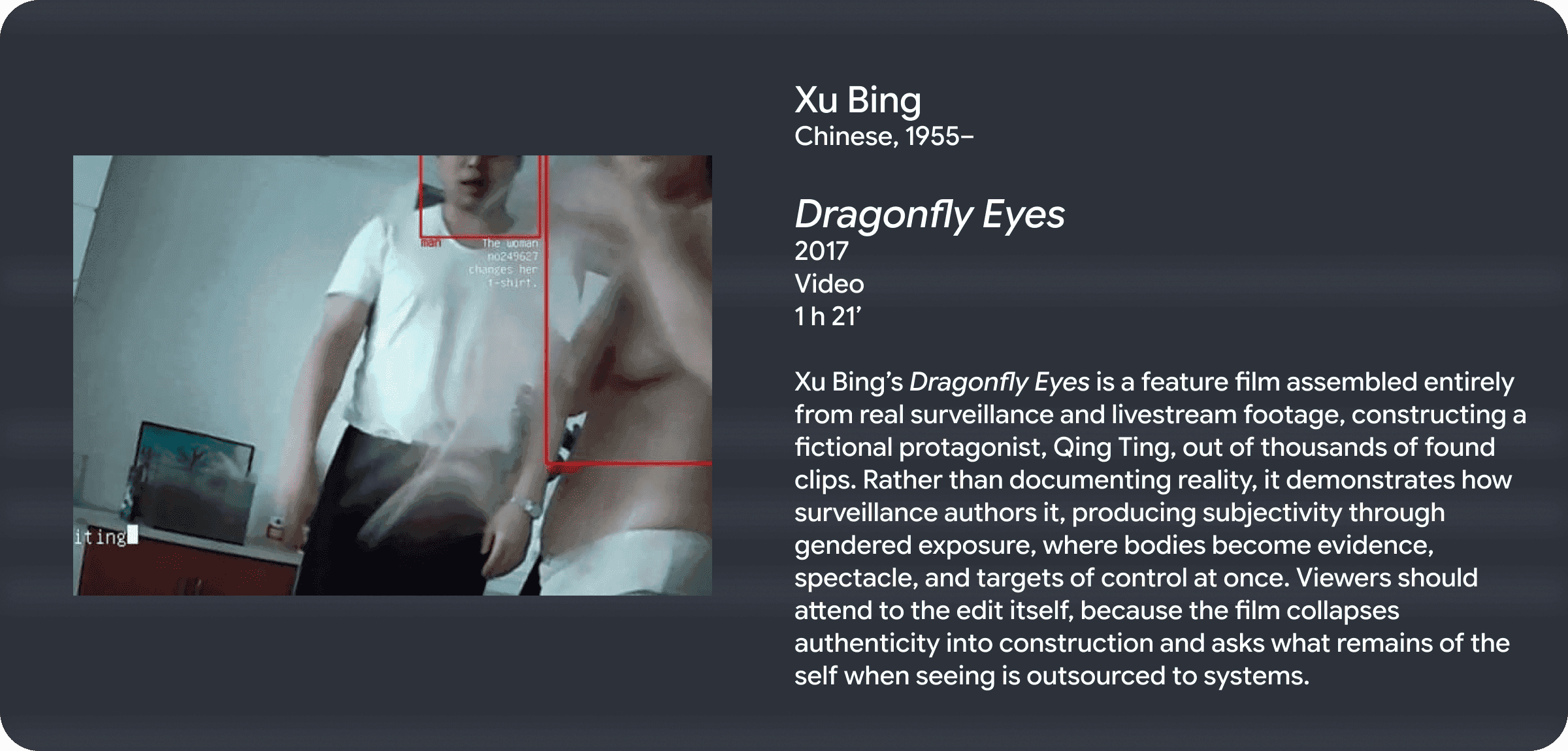
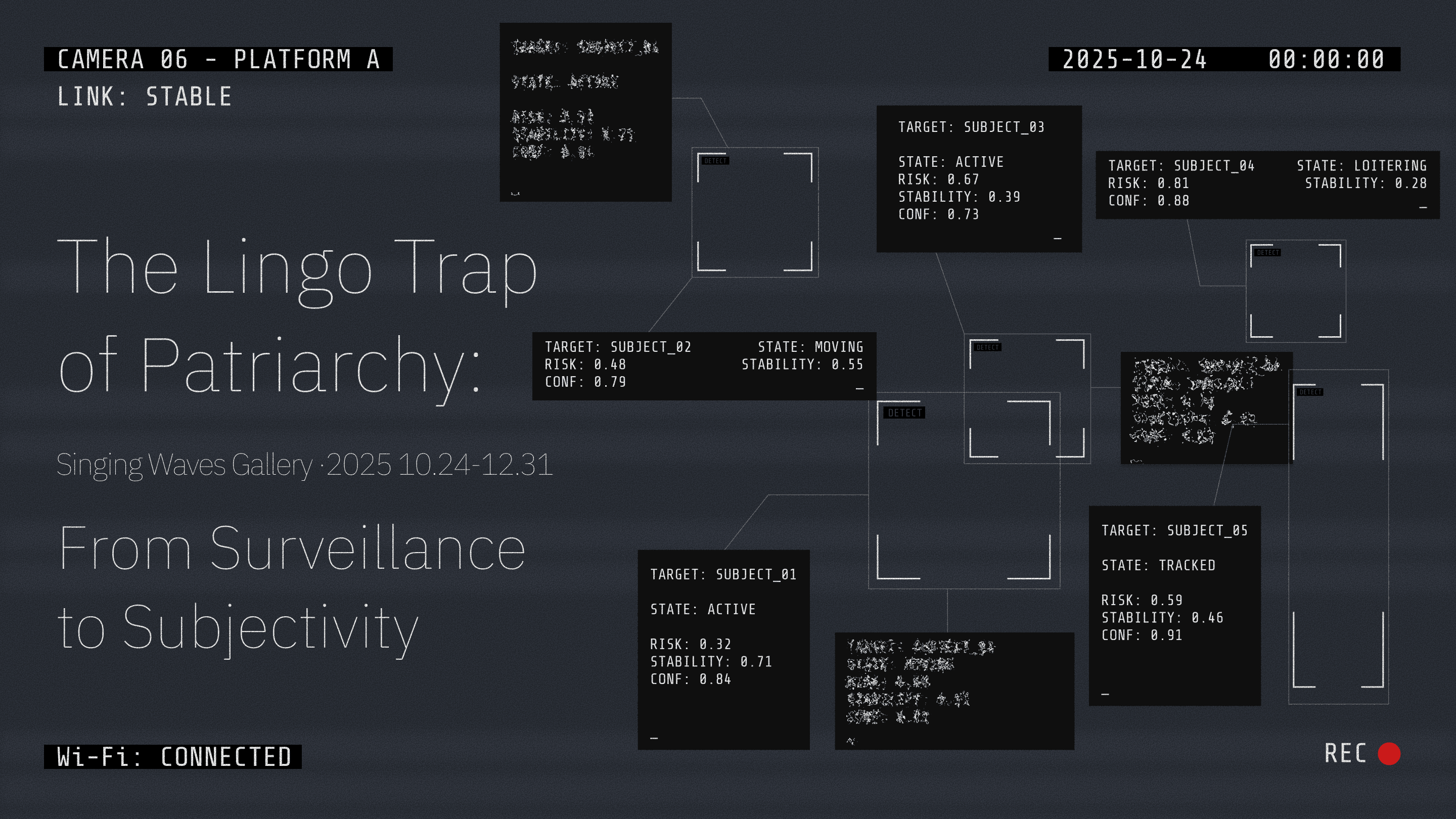
The Lingo Trap of Patriarchy is an unrealised curatorial proposal that interrogates how ‘subjectivity’ has become inseparable from power, where self-affirmation reproduces patriarchal reason rather than escaping it.
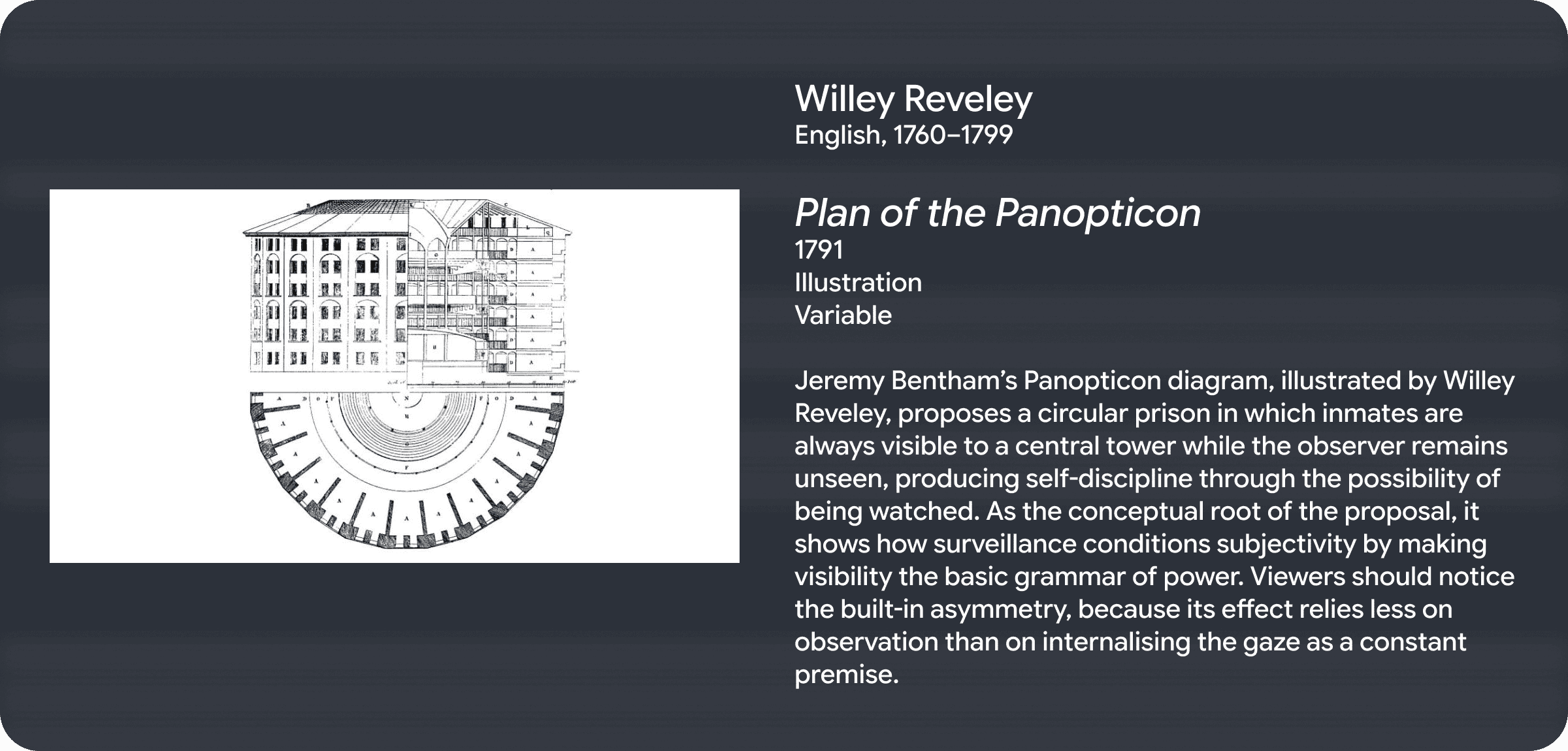
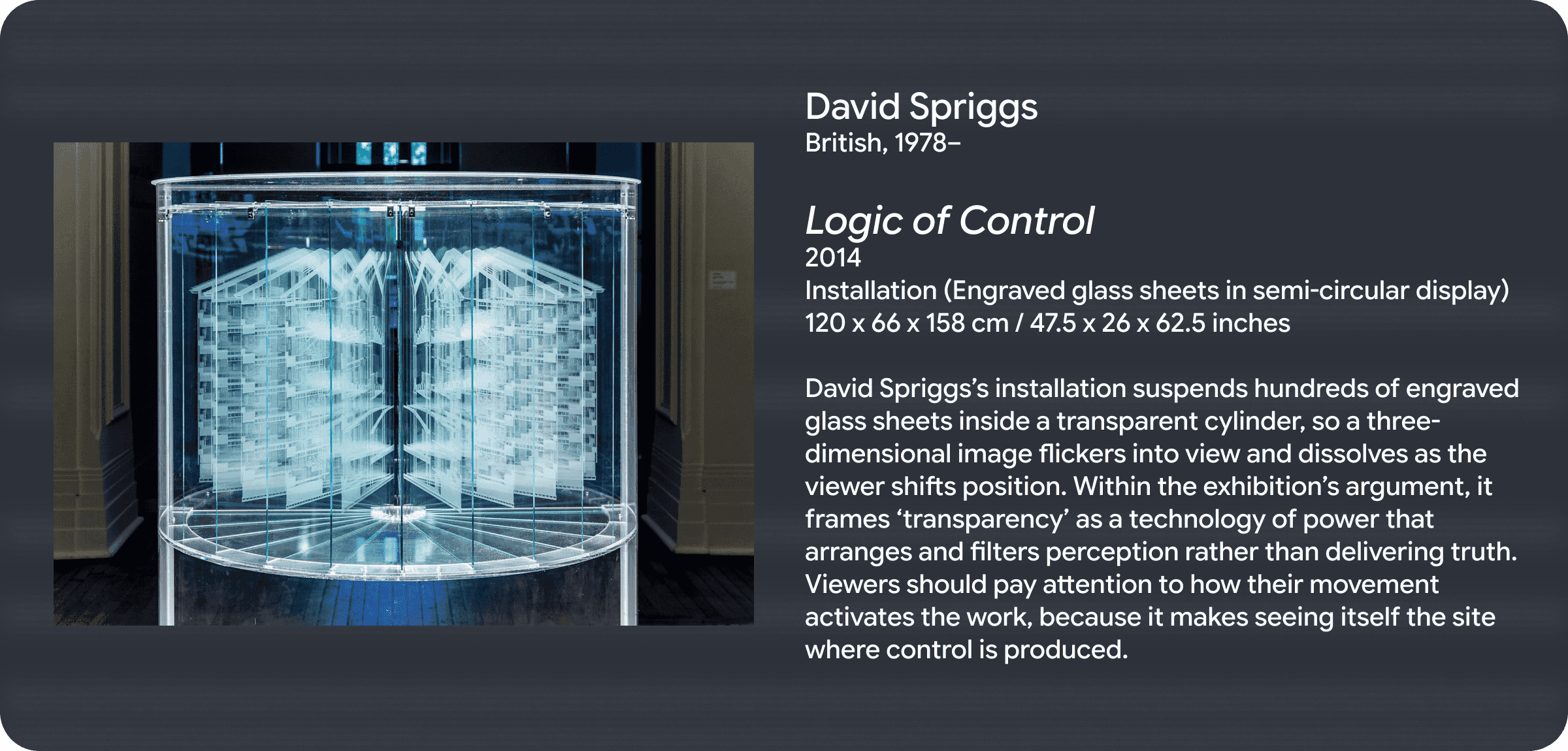
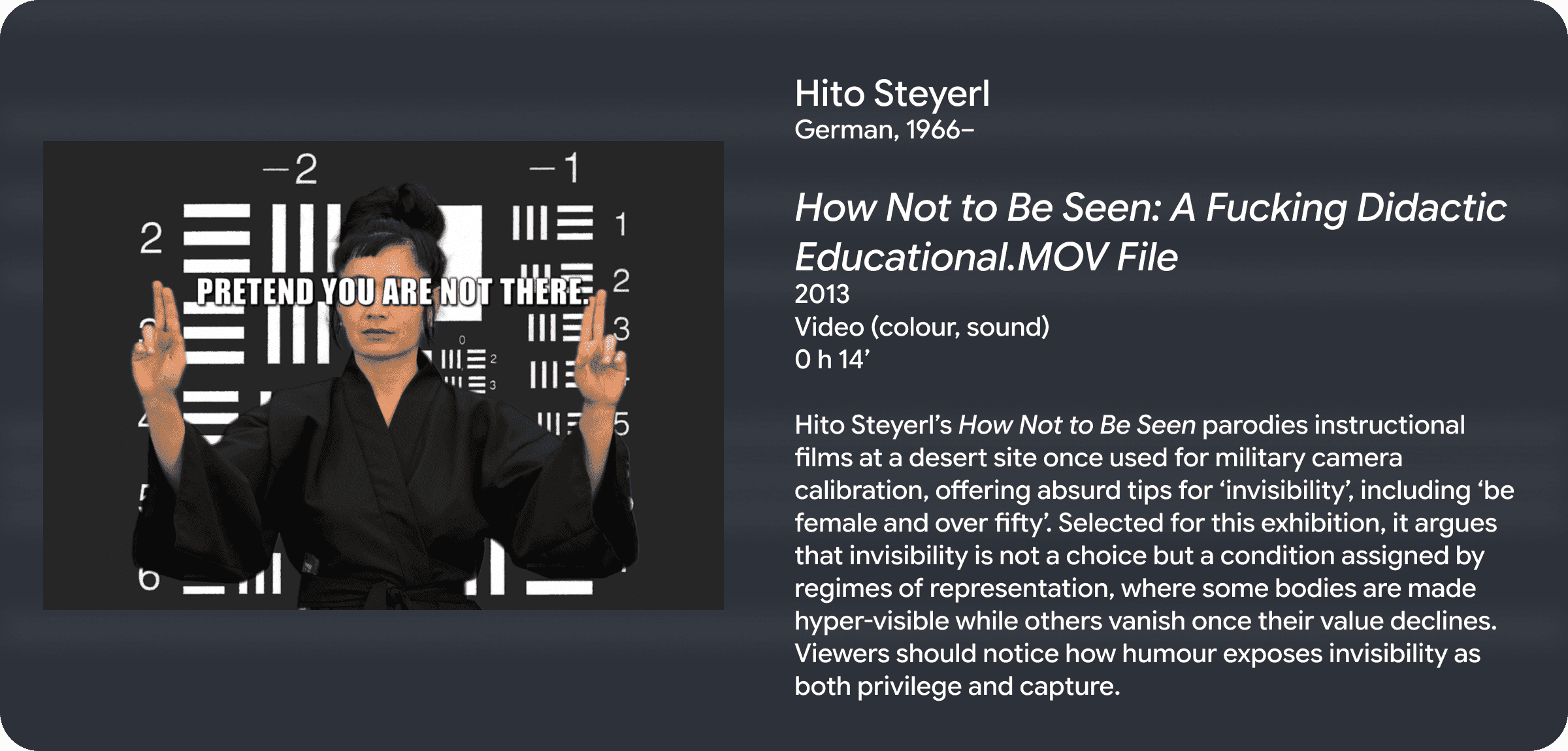
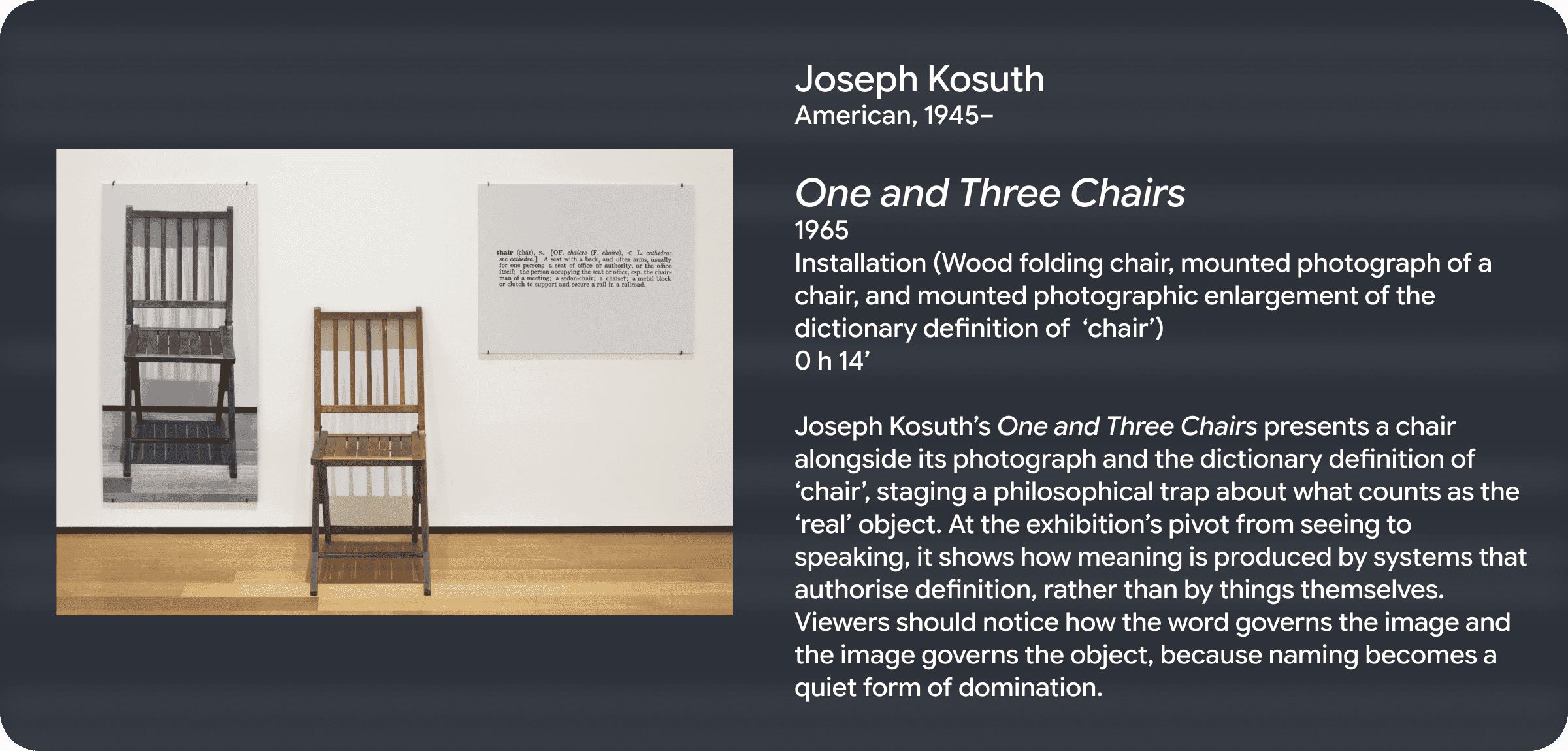
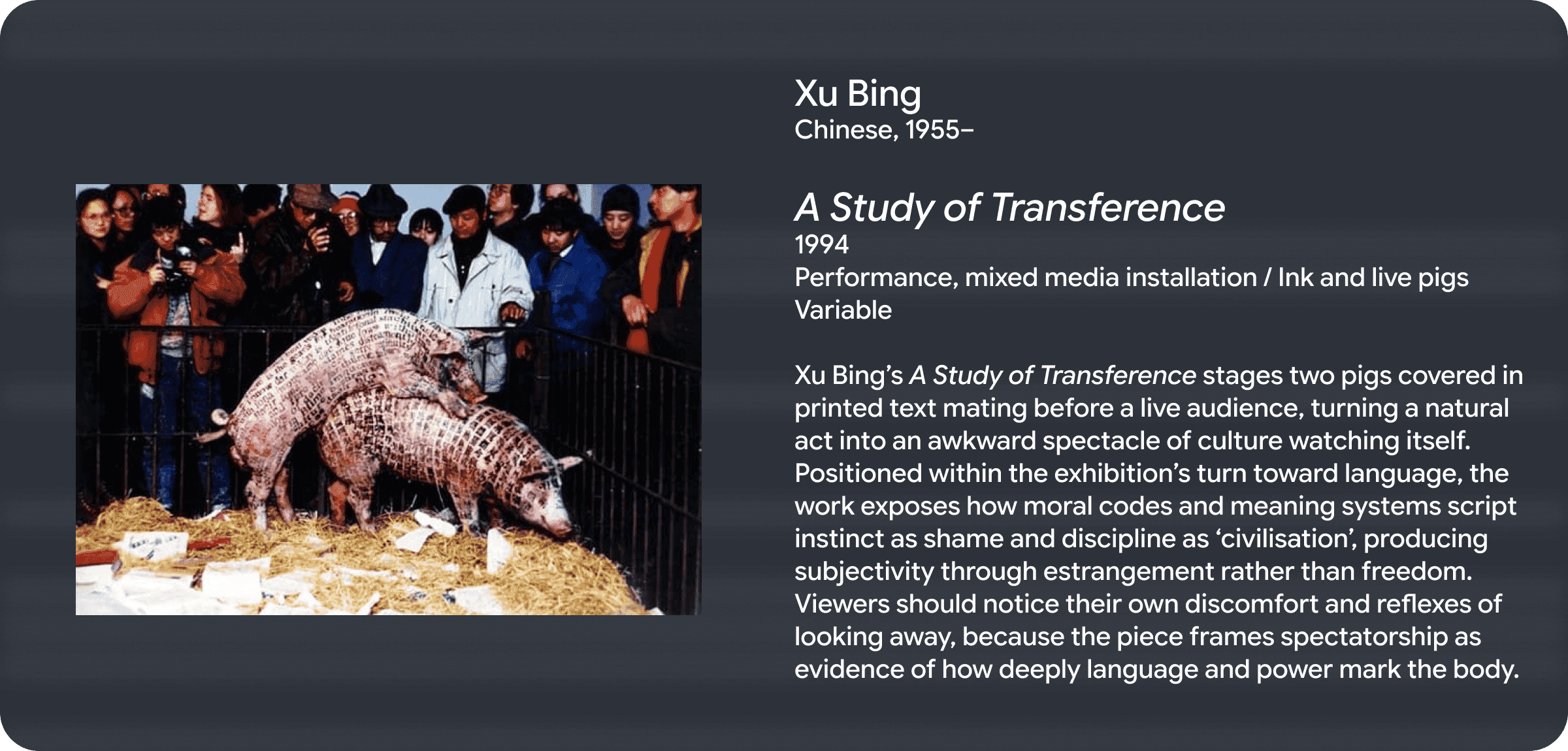
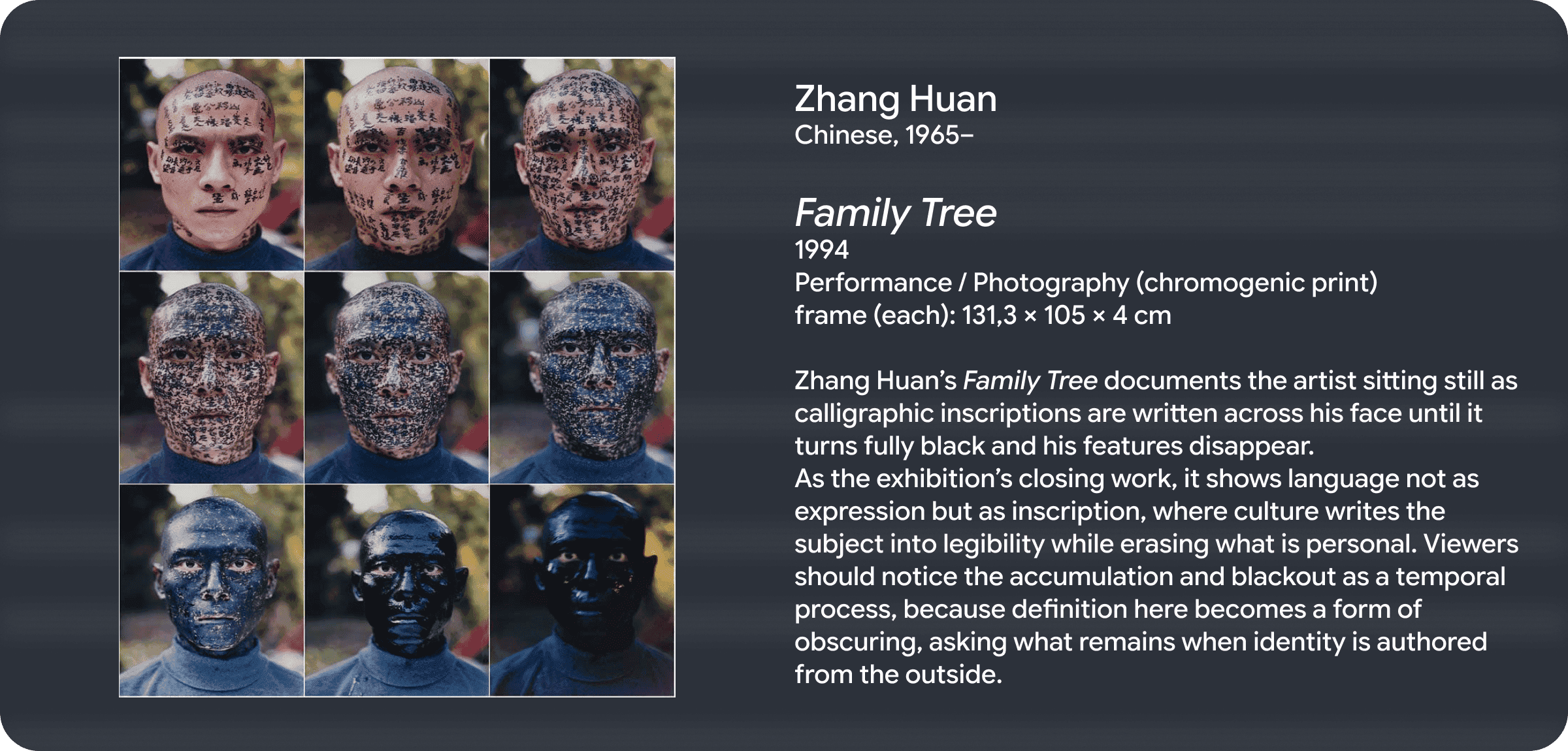
Treating the gaze as a regime that binds existence to visibility and claims the right to define, the exhibition maps how subjects become both ruler and captive within the same logic of recognition.
Across three movements, it tracks the grammar through which domination is internalised, including the ways refusal and silence remain legible within the system. The project asks what kinds of being might emerge beyond mastery and the need for assurance.
Full Curatorial Statement
Unseen Gestures confronts a tension that has long been normalised: the hand is celebrated as a symbol of agency, yet for many women it remains a site where power quietly settles, disciplines, and extracts. Society praises the hand that ‘creates a future’ or ‘builds a life,’ but such praise often masks whose hands are expected to clean, to serve, to soothe, to repair, and under what conditions.
This exhibition foregrounds gestures that have been framed as natural, moral, or self-evident: caring for others, maintaining domestic order, sustaining emotional life, performing forms of labour that rarely receive recognition. These gestures are not neutral. They are produced within systems that redistribute responsibility downwards and outwards, turning structural inequities into personal duties. Women’s hands become the surface on which these expectations are written.
Across the works here, the hand emerges not only as a tool, but as evidence — evidence of how bodies are patterned by neoliberal demands for self-management, by patriarchal narratives of virtue and sacrifice, and by post-colonial hierarchies that determine whose labour is visible and whose suffering is tolerable.
Unseen Gestures refuses the soft rhetoric of resilience and empowerment. Instead, it calls attention to the political conditions that shape even the smallest movements. These works insist that gestures are never merely gestures: they are traces of power, and they ask us to recognise the structures that continue to shape, contain, and lay claim to women’s hands.
Full Curatorial Statement
Unseen Gestures confronts a tension that has long been normalised: the hand is celebrated as a symbol of agency, yet for many women it remains a site where power quietly settles, disciplines, and extracts. Society praises the hand that ‘creates a future’ or ‘builds a life,’ but such praise often masks whose hands are expected to clean, to serve, to soothe, to repair, and under what conditions.
This exhibition foregrounds gestures that have been framed as natural, moral, or self-evident: caring for others, maintaining domestic order, sustaining emotional life, performing forms of labour that rarely receive recognition. These gestures are not neutral. They are produced within systems that redistribute responsibility downwards and outwards, turning structural inequities into personal duties. Women’s hands become the surface on which these expectations are written.
Across the works here, the hand emerges not only as a tool, but as evidence — evidence of how bodies are patterned by neoliberal demands for self-management, by patriarchal narratives of virtue and sacrifice, and by post-colonial hierarchies that determine whose labour is visible and whose suffering is tolerable.
Unseen Gestures refuses the soft rhetoric of resilience and empowerment. Instead, it calls attention to the political conditions that shape even the smallest movements. These works insist that gestures are never merely gestures: they are traces of power, and they ask us to recognise the structures that continue to shape, contain, and lay claim to women’s hands.
Full Curatorial Statement
Unseen Gestures confronts a tension that has long been normalised: the hand is celebrated as a symbol of agency, yet for many women it remains a site where power quietly settles, disciplines, and extracts. Society praises the hand that ‘creates a future’ or ‘builds a life,’ but such praise often masks whose hands are expected to clean, to serve, to soothe, to repair, and under what conditions.
This exhibition foregrounds gestures that have been framed as natural, moral, or self-evident: caring for others, maintaining domestic order, sustaining emotional life, performing forms of labour that rarely receive recognition. These gestures are not neutral. They are produced within systems that redistribute responsibility downwards and outwards, turning structural inequities into personal duties. Women’s hands become the surface on which these expectations are written.
Across the works here, the hand emerges not only as a tool, but as evidence — evidence of how bodies are patterned by neoliberal demands for self-management, by patriarchal narratives of virtue and sacrifice, and by post-colonial hierarchies that determine whose labour is visible and whose suffering is tolerable.
Unseen Gestures refuses the soft rhetoric of resilience and empowerment. Instead, it calls attention to the political conditions that shape even the smallest movements. These works insist that gestures are never merely gestures: they are traces of power, and they ask us to recognise the structures that continue to shape, contain, and lay claim to women’s hands.


Floor Plan
Floor Plan


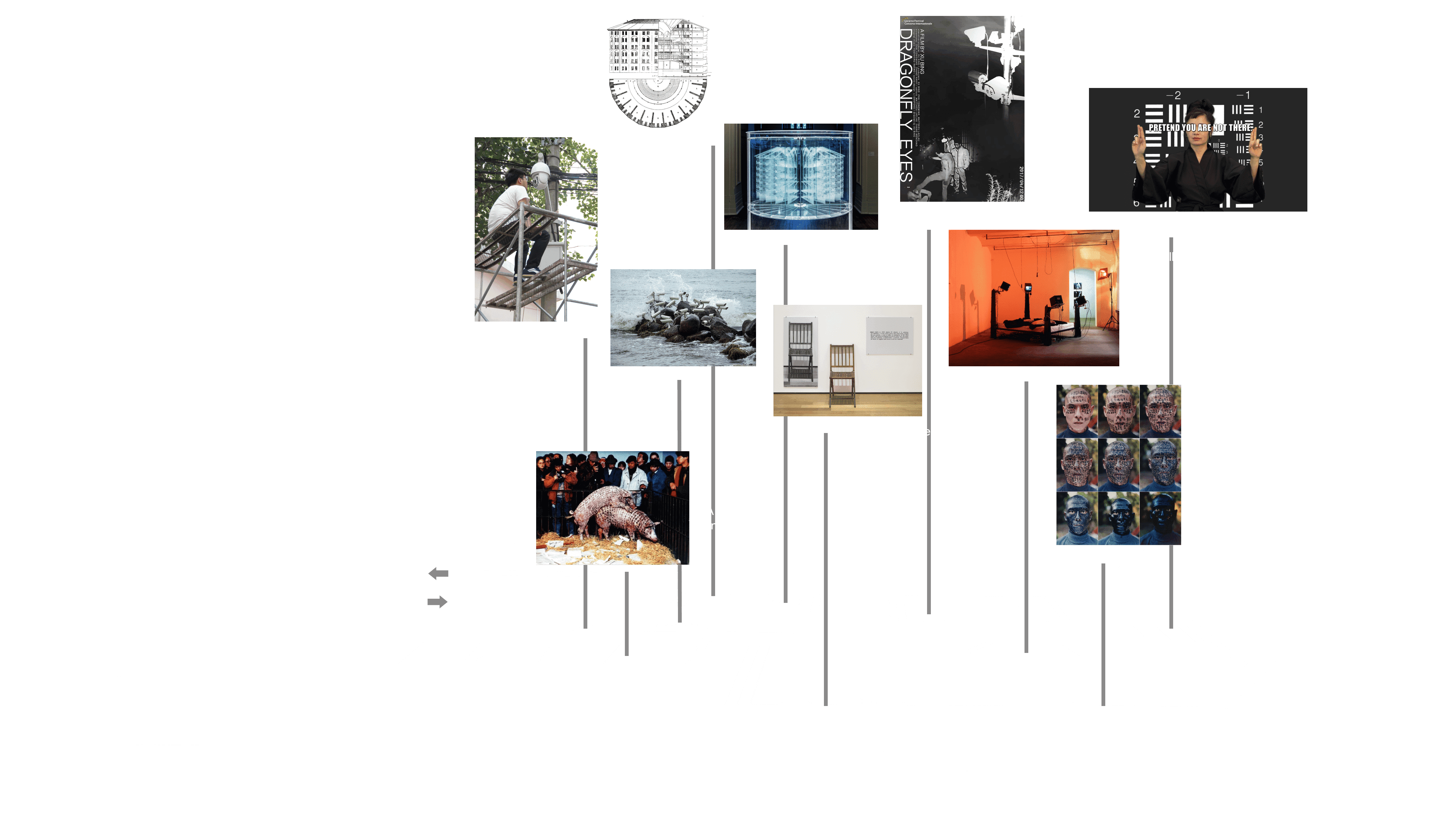
Artwork Selection
Artwork Selection