03 / 08At the Edge of Voice
01 / Work
Overview
At the Edge of Voice:
When Identity Speaks before the Self
Question
What remains when speech is shaped before it can fully arrive?
Challenge
Many exhibitions assume expression is equally accessible.
This project explores what happens when identity begins to speak before a stable sense of self can emerge.
Outcome
A curatorial project translating distributed curation, sound studies, and spatial design into an exhibition experience centred on silence as condition.
Curatorial Iteration
Curatorial Iteration
How the exhibition moved from abstract critique towards situated experience.
01 / System Critique → Possibility
ProblemThe project first considered ‘challenging the exhibition system’, but this lacked a clear motivation. Without a specific dissatisfaction with the system itself, critique risked becoming a posture.
Reframing Case studies from Documenta fifteen, including lumbung, Cheesecoin, and Dayra, suggested another direction. They showed distributed curation not only as opposition, but as a way to make room for values that dominant systems often fail to count, such as care, trust, local knowledge, and community-defined exchange.
ResultThe focus shifted from opposing the exhibition system to asking what other forms of value, relation, and experience an exhibition could hold.
Critique alone
was insufficient
02 / Possibility → Partial Belonging
Problem‘Opening other possibilities’ was still too abstract. It did not yet explain who needed those possibilities, or whose experience was not fully held by existing frameworks.
ReframingThe question of ‘What, How, and for Whom’ forced the project to move from systems to position. Instead of addressing a general public, the project began to ask who might feel close to a community, language, or identity, while still being unsure whether they could fully belong or speak from within it.
ResultThis shifted the focus from abstract possibility to partial belonging: a condition of being near, implicated, and affected, but not fully secure.
Possibility became
situated
03 / Partial Belonging → Silence
ProblemPartial belonging could be described as in-betweenness, but that concept alone was too broad. It named the position, but not yet the pressure produced by that position.
ReframingThe more specific issue was what happens before speech. When someone is close to a community but not fully secure within it, speaking becomes uncertain: one may have something to say, while still doubting whether one has the right, position, or language to say it.
ResultThe exhibition shifted from in-betweenness as a position to silence as a produced condition.
Silence became
produced
04 / Silence → Sound Condition
ProblemSilence could easily be mistaken for quietness, absence, or a lack of sound. In that case, it would remain outside the frame of sound art.
ReframingThe project treated silence as part of sound’s unfinished condition. It focused on what is delayed, withheld, suppressed, misheard, or unable to fully arrive.
ResultSound art was reconsidered beyond audible sound, allowing silence to be understood as a still-present sonic state.
Sound became
conditional
05 / Silence → Threshold
ProblemIf the exhibition simply asked visitors to ‘speak out’, it would repeat the pressure to make oneself clear, visible, and legible.
ReframingThe questionnaire and At the Threshold as happening slow visitors down before speech. They allow writing, speaking, withholding, and remaining silent to coexist without forcing a single outcome.
ResultParticipation became a threshold before voice, rather than a demand for voice.
Participation became
a threshold
Spatial Plan
Spatial Plan
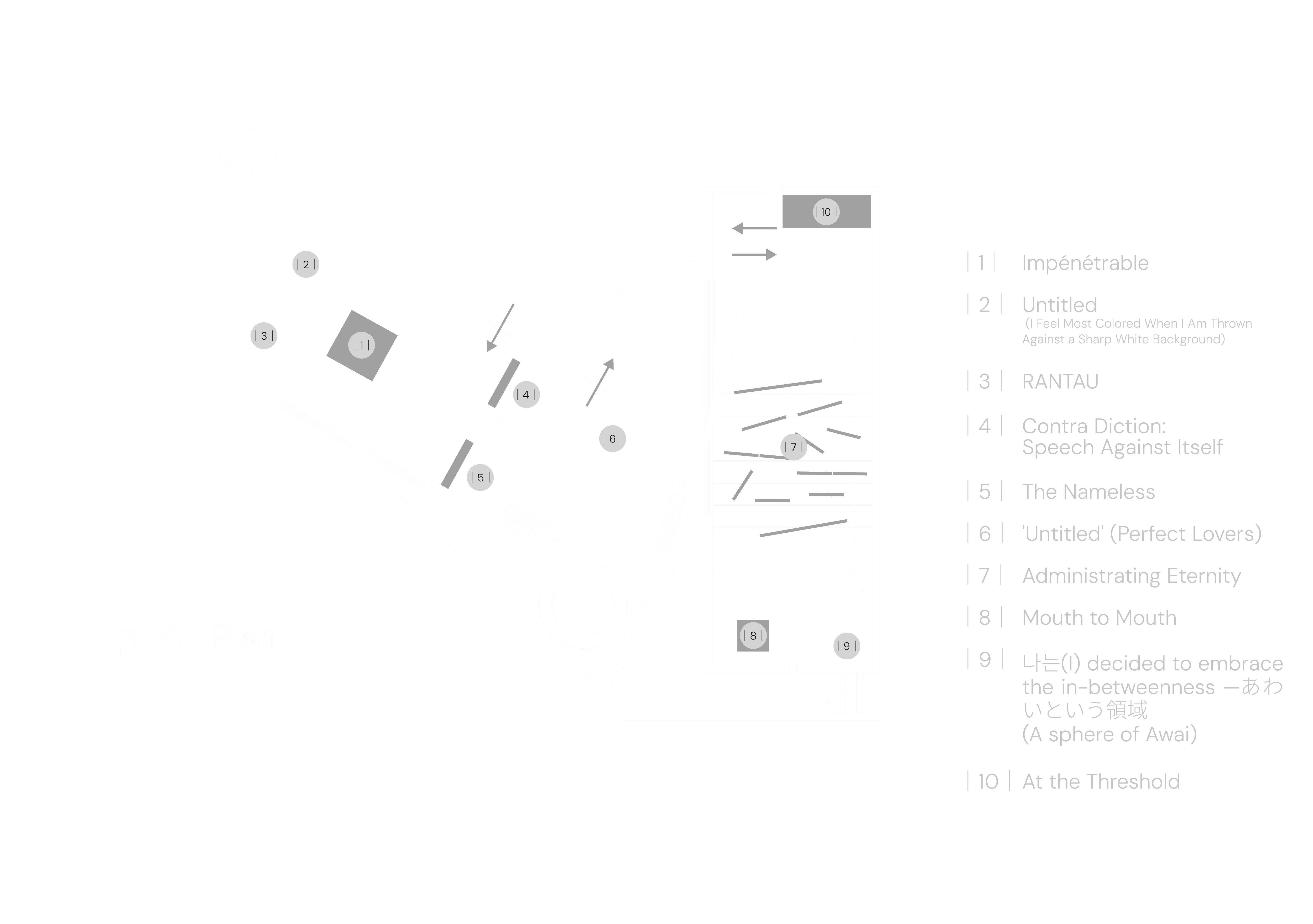
Artwork Logic
Artwork Logic
01 / Bodily Obstruction
Mona Hatoum, Impénétrable
Introduces the exhibition through attraction and distance: something can be approached, but not entered.
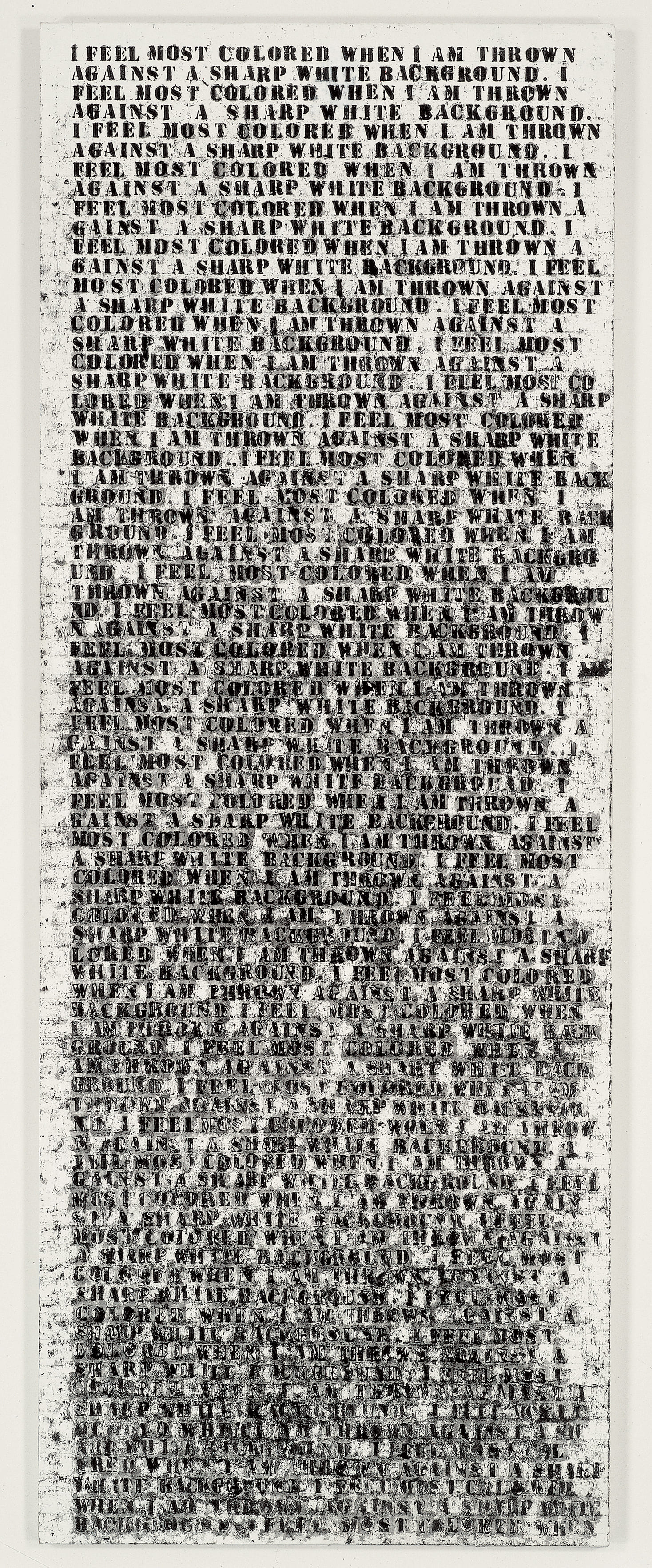
02 / Overwritten Voice
Glenn Ligon, Untitled (I Feel Most Colored When I Am Thrown Against a Sharp White Background)
Shows how language and identity become blurred, repeated, and difficult to read within dominant spaces.
03 / Collective Erasure
Lethokuhle Msimang & Veronika Yadukha, RANTAU
Connects silence to displacement, language, memory, and cultural loss.
04 / Speech as Survival
Lawrence Abu Hamdan, Contra Diction
Explores how speaking can become a form of concealment when openness is not safe.
05 / Unstable Subjecthood
Ho Tzu Nyen, The Nameless
Asks what happens when a subject cannot be fully named, recognised, or located.
06 / Temporal Silence
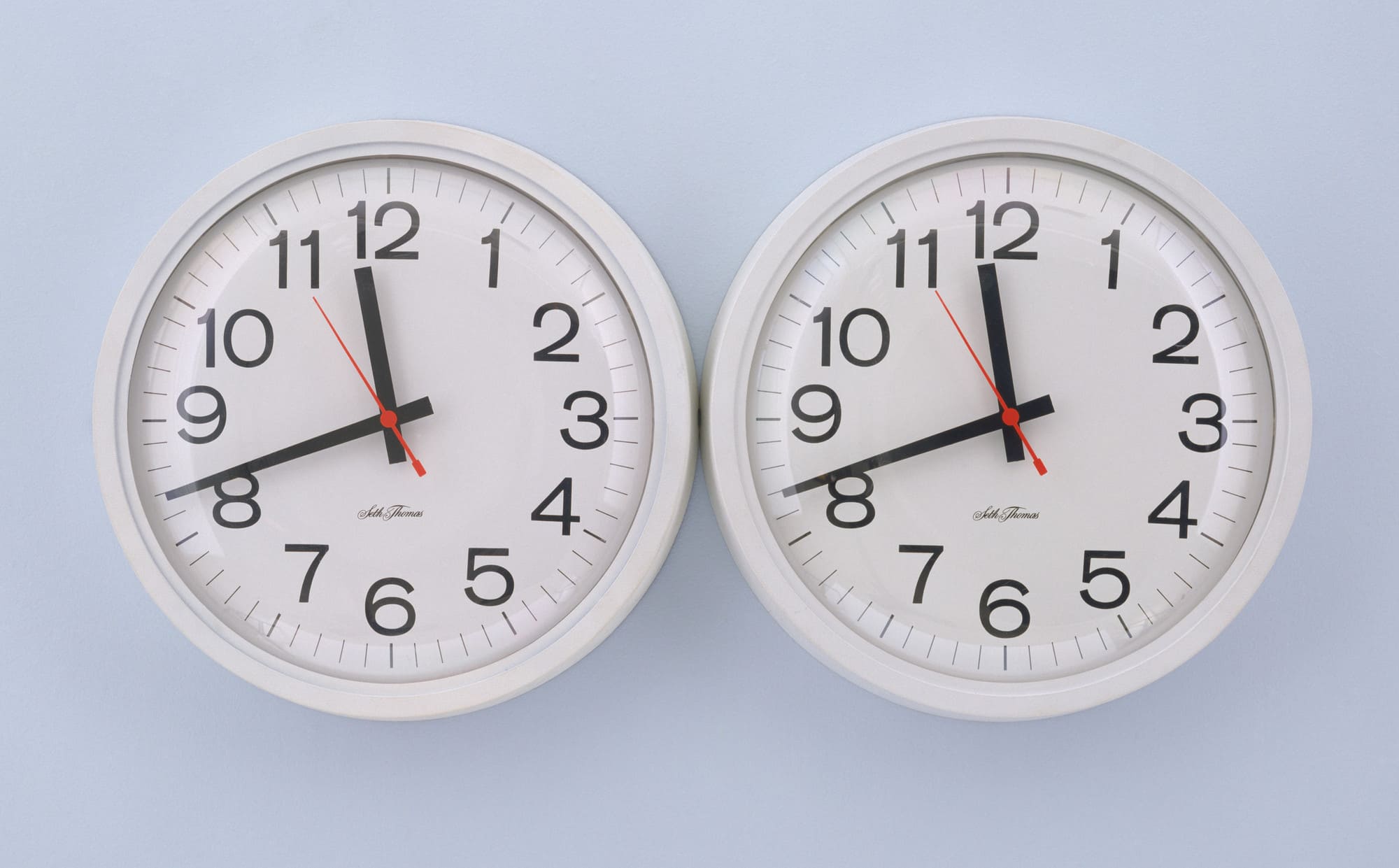
Felix Gonzalez-Torres, 'Untitled' (Perfect Lovers)
Shifts silence from structure to time, loss, desynchronisation, and intimacy.
07 / Fragmented / Incomplete Speech
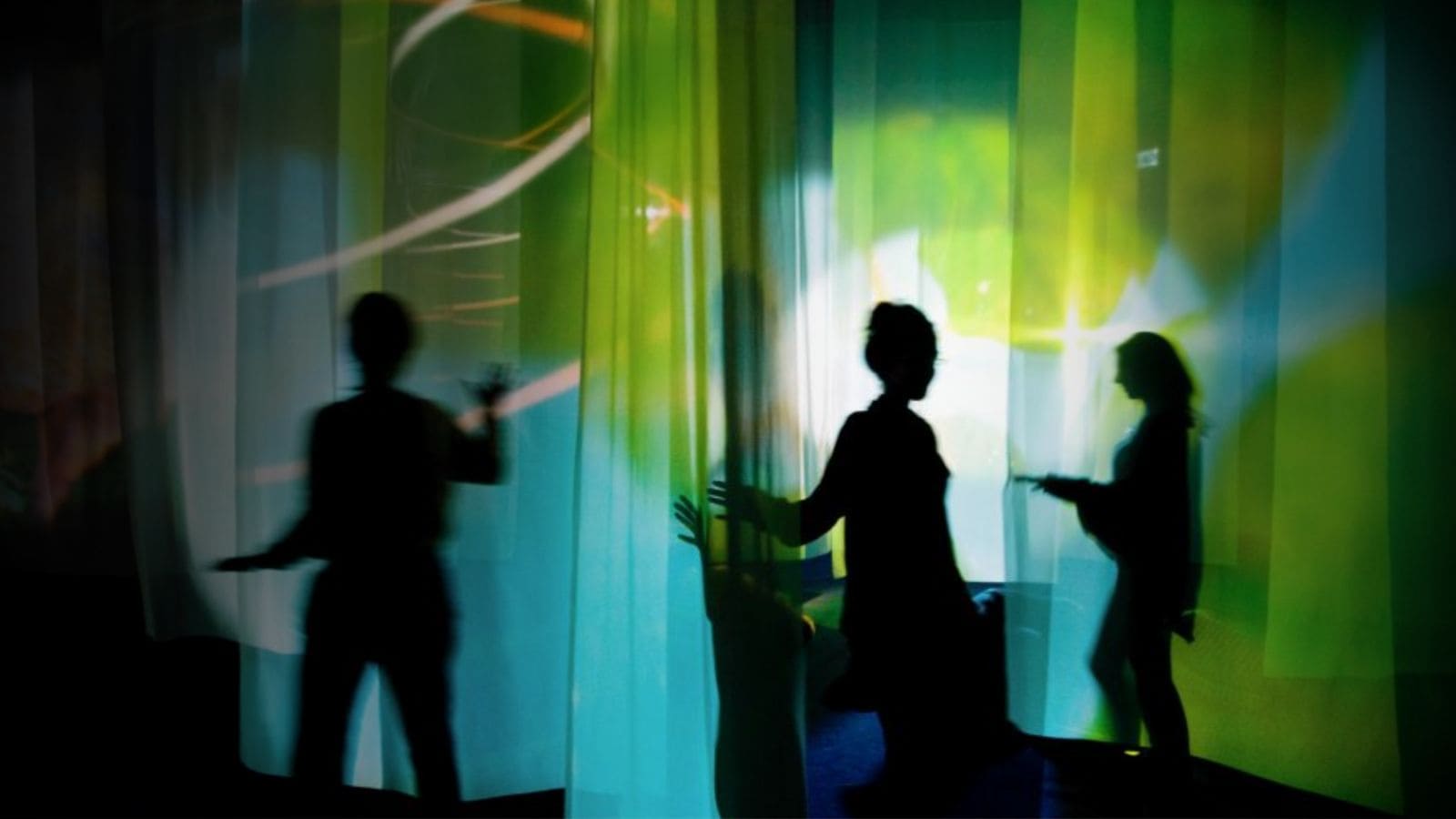
Pipilotti Rist, Administrating Eternity;
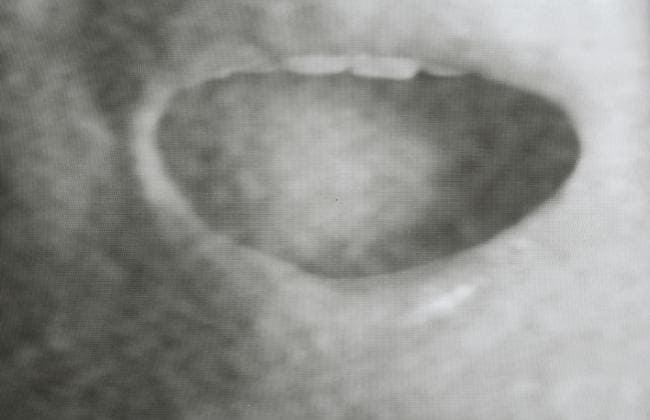
Theresa Hak Kyung Cha, Mouth to Mouth;
Kana Kim, (I) decided to embrace the in-betweenness – A sphere of Awai
Moves the exhibition toward sensory ambiguity, broken language, translation, and voice that never fully arrives.




Site Rationale
Site Rationale
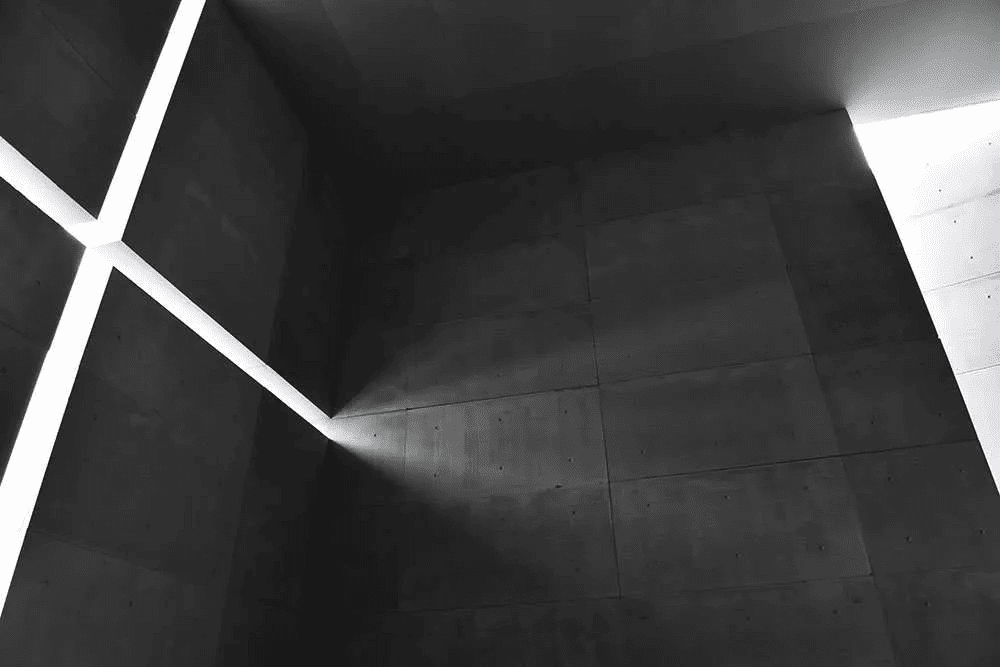
Raw concrete
Restraint and inwardness
The exposed concrete surfaces create a quiet, inward atmosphere without decorative excess, supporting the exhibition’s restrained approach to silence.
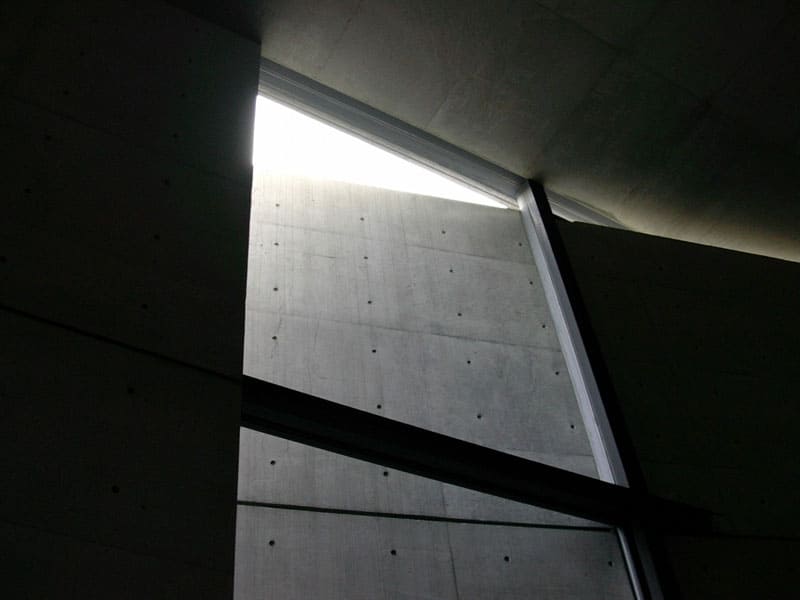
Diagonal wall insertion + corridor
An architectural condition of in-betweenness
The diagonal wall and connecting corridor divide, redirect, and delay movement. Visitors are placed between spaces rather than immediately settled in one stable position.
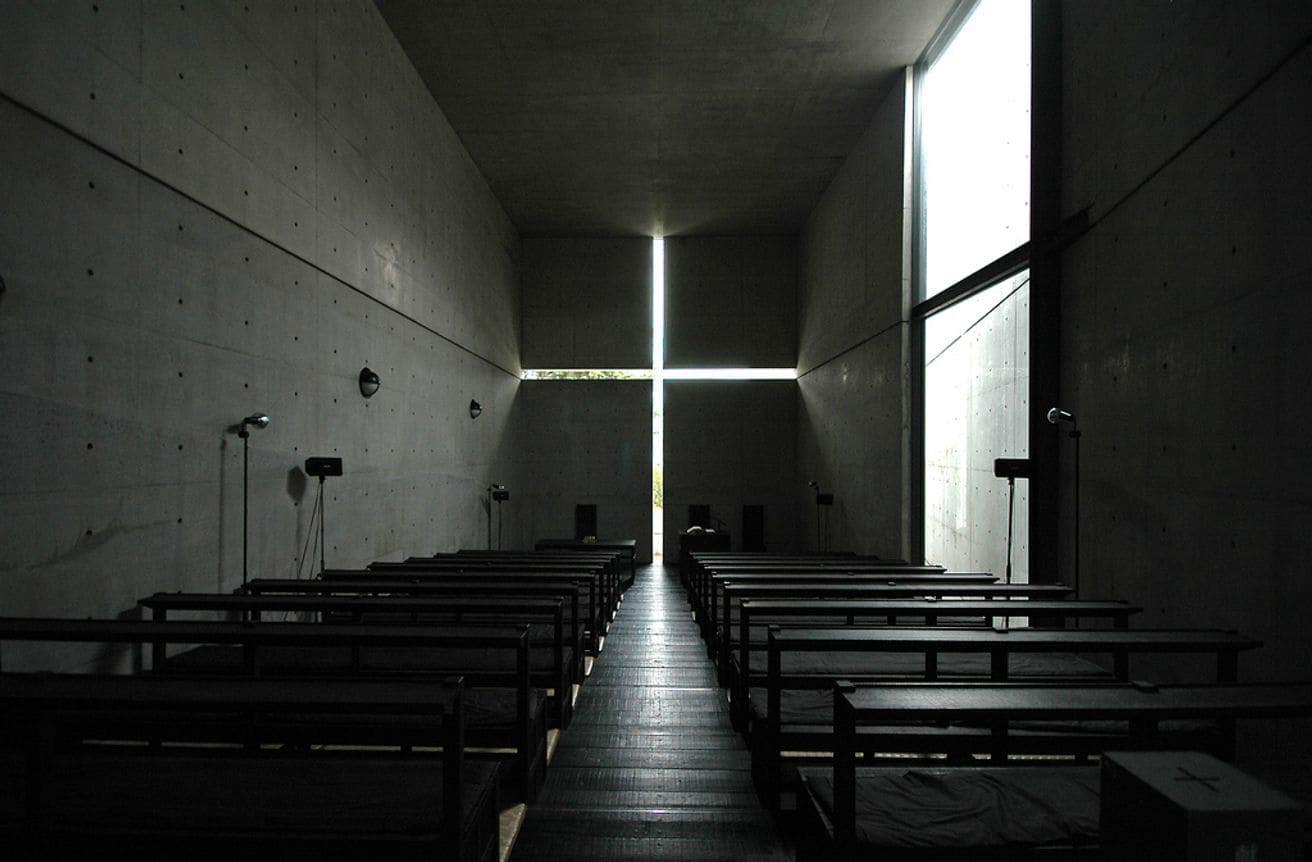
Stepped descent
A gesture toward equality in position
The chapel’s descending steps bring pastor and congregation into a more level relation. This echoes the exhibition’s view of silence as a condition that is not owned by one fixed group, but can be faced across positions.
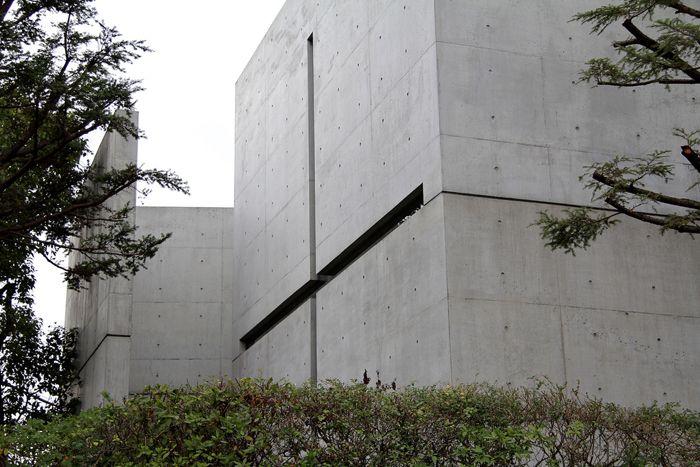
Indefinite closure
Still present, but not fully activated
Since 2023, the church has been closed. The building remains, but its life as an active site is interrupted, resonating with the exhibition’s concern with what is present but unable to fully arrive.
Participatory Happening
Happening:
Questionnaire + At the Threshold
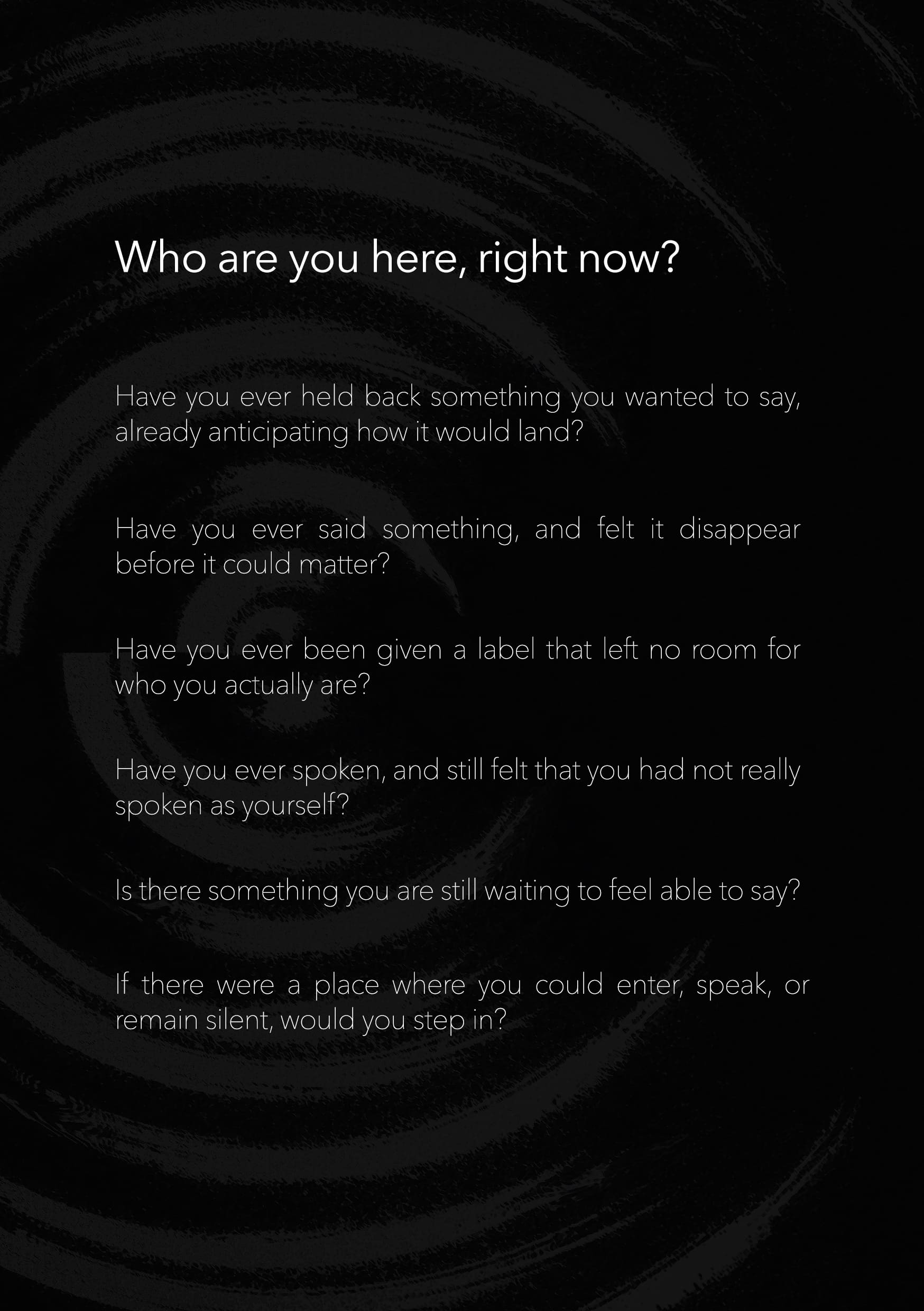
The happening is structured in two stages. The questionnaire prepares visitors through a sequence of questions, while At the Threshold turns the final question into a spatial decision. Together, they move participation from answering to approaching: visitors are not asked to produce a response, but to decide how close they want to come to one.
Stage 01
Questionnaire
Questions as layers of silence
A sequence of questions leads visitors from self-positioning to hesitation, dismissal, labelling, incomplete speech, and delayed permission. The questionnaire is not used to collect data, but to prepare the visitor for the final spatial choice.
Stage 02
At the Threshold
A room for the final choice
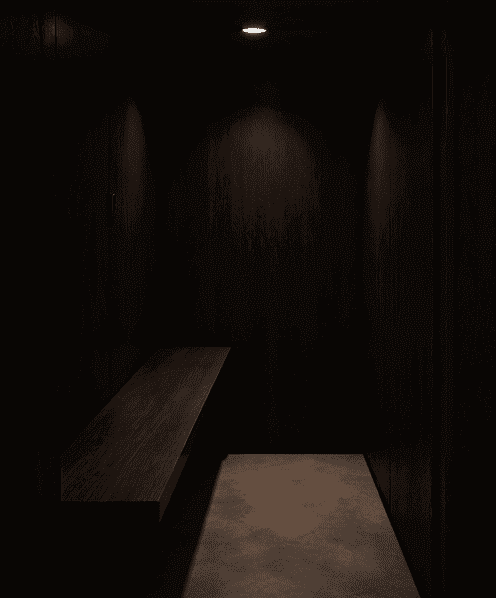
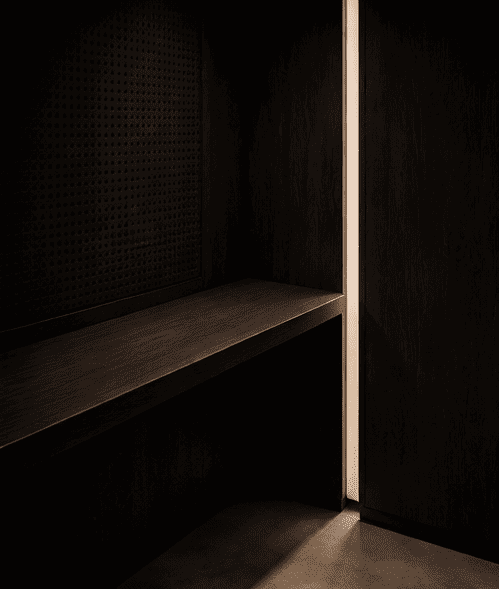
The final question becomes a fully enclosed single-person space. Visitors may enter, sit, write, speak, or leave without leaving a trace. The room does not resolve the question; it gives the question a place to remain open.